AI Vs Human Intelligence
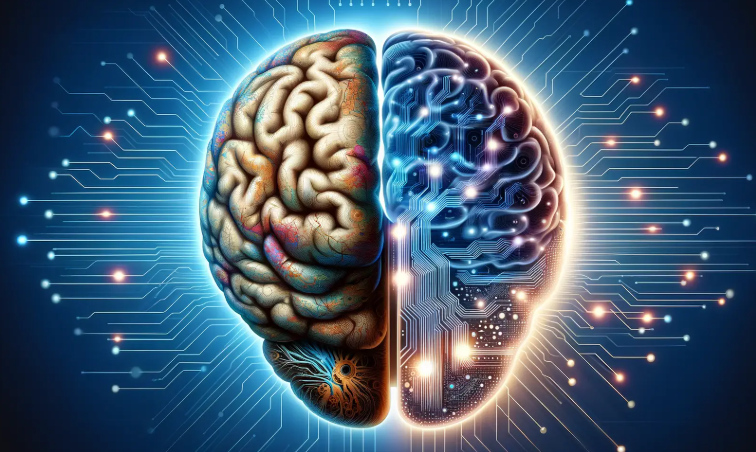
The contrast between artificial intelligence and human intelligence is a compelling topic of exploration. AI demonstrates remarkable proficiency in tasks involving data analysis and pattern recognition. In contrast, human intelligence thrives on emotional reasoning and creativity. This divergence raises important questions about their respective roles and potential synergies. As advancements in technology continue to unfold, the implications of their collaboration could reshape various fields. What ethical considerations must be addressed to ensure a harmonious partnership?
Defining Intelligence: AI Vs Human Cognition
The essence of intelligence, whether artificial or human, is a complex interplay of cognitive abilities and adaptive behaviors.
Human cognition encompasses intricate cognitive processes and emotional reasoning, allowing individuals to interpret nuances and empathize.
In contrast, artificial intelligence relies on algorithmic patterns and data-driven analysis, lacking the depth of emotional understanding inherent in human thought.
This distinction shapes their respective capacities for learning and problem-solving.
See also: freebookspot
Strengths of Artificial Intelligence
Artificial intelligence exhibits a range of strengths that set it apart from human cognition. Its capabilities in data analysis are unparalleled, enabling rapid processing of vast amounts of information.
Additionally, through machine learning, AI adapts and improves over time, recognizing patterns and making predictions with remarkable accuracy. These strengths empower AI to tackle complex problems efficiently, offering innovative solutions across various domains.
The Unique Aspects of Human Intelligence
While artificial intelligence excels in data processing and pattern recognition, human intelligence encompasses unique qualities that are inherently difficult for machines to replicate.
Emotional reasoning allows individuals to navigate complex social landscapes, fostering empathy and connection.
Furthermore, creative problem solving empowers humans to think divergently, generating innovative solutions in unpredictable situations.
These attributes highlight the profound depth of human cognition beyond computational abilities.
Future Implications of AI and Human Collaboration
As technology continues to evolve, the potential for collaboration between AI and human intelligence presents exciting prospects across various sectors.
Collaborative innovation may enhance productivity and creativity, leading to groundbreaking advancements.
However, ethical considerations must guide this partnership, ensuring that human values are upheld while leveraging AI capabilities.
Striking a balance between efficiency and morality will shape the future landscape of human-AI interaction.
Conclusion
In summary, the symbiotic synergy between AI and human intelligence signifies a significant shift in cognitive collaboration. While artificial intelligence showcases remarkable speed and systematic strength, human intelligence retains an unparalleled depth of emotional insight and creativity. As these two realms unite, the potential for profound progress and innovative integration emerges. However, it is essential to approach this partnership with ethical awareness, ensuring that the balance between efficiency and empathy fosters a future filled with thoughtful advancements.