AI in Business and Industry
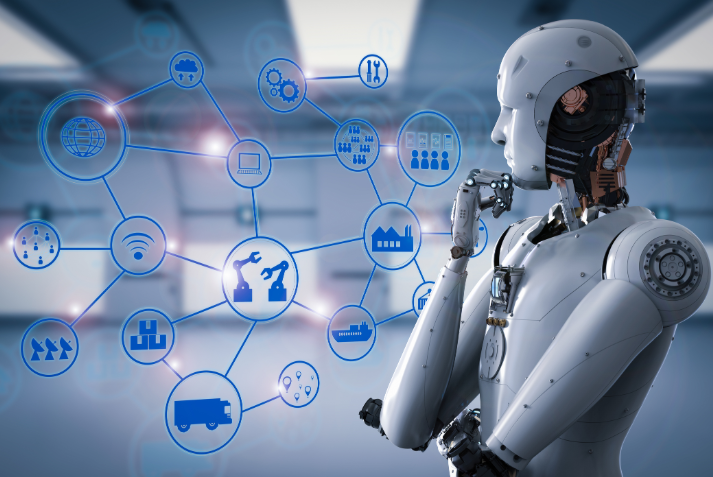
AI is increasingly shaping the landscape of business and industry. Its applications range from automating routine tasks to analyzing consumer behavior. This shift offers significant benefits, including improved efficiency and responsiveness. However, it also raises critical issues, such as data privacy and workforce implications. As organizations explore these advancements, understanding the balance between innovation and ethical considerations becomes paramount. What strategies will ensure responsible AI integration in the evolving marketplace?
Key Applications of AI in Business
As businesses increasingly adopt advanced technologies, the integration of artificial intelligence (AI) has emerged as a transformative force across various sectors.
Key applications include leveraging AI for enhanced customer insights, enabling companies to analyze vast data sets for nuanced understanding of consumer behavior.
Additionally, process automation through AI streamlines operations, reducing costs and freeing human resources for strategic initiatives, ultimately fostering innovation and growth.
See also: freebookspot
Benefits of Implementing AI Technologies
The implementation of AI technologies offers numerous advantages that can significantly enhance business performance.
Key benefits include cost reduction through automation of routine tasks, which lowers operational expenses.
Additionally, AI provides valuable customer insights by analyzing data patterns, enabling businesses to tailor their offerings effectively.
This strategic use of AI fosters a more agile and responsive business environment, ultimately driving growth and efficiency.
Challenges in AI Integration
While AI technologies present substantial opportunities for business improvement, the integration process is often fraught with challenges that can hinder their effectiveness.
Key issues include data privacy concerns, where sensitive information may be compromised, and workforce displacement, as automation leads to job losses.
These challenges necessitate careful planning and ethical considerations to ensure that businesses can harness AI’s potential without undermining employee security and trust.
Future Trends in AI for Industry
Significant advancements in artificial intelligence (AI) are poised to reshape various industries in the coming years.
The integration of autonomous systems will enhance operational efficiency, while predictive analytics will enable data-driven decision-making.
These trends indicate a transformative shift, empowering businesses to harness insights for strategic growth and innovation, ultimately fostering an environment that promotes freedom and adaptability in an increasingly competitive landscape.
Conclusion
In the evolving landscape of business and industry, AI stands as both a beacon of innovation and a double-edged sword. While it promises enhanced efficiency and deeper consumer insights, the shadows of ethical dilemmas and workforce implications loom large. As organizations embark on this transformative journey, the establishment of robust ethical frameworks will be paramount, ensuring that the light of AI illuminates the path forward without casting a pall over trust and accountability among stakeholders.